
The best places to visit in Palawan are not interchangeable. El Nido, Coron, Port Barton, Balabac, and other destinations each deliver a fundamentally different experience — from limestone lagoons and WWII wreck dives to remote sandbars and quiet heritage towns.
This guide compares them side by side to help you choose the right base for your time, interests, and travel style.
Each major destination in Palawan offers a distinct travel style.
El Nido is best for dramatic island scenery, Coron for diving and adventure, San Vicente for quiet beaches, Puerto Princesa for easy logistics, and Balabac for remote sandbar isolation.
Your ideal choice depends on your time, comfort with transfers, and preferred pace.
Here’s the fast positioning before we break it down:
| Destination | Vibe | Best For | Landscape Type | Accessibility | Ideal Stay |
| El Nido | Scenic, social, active | First-timers, couples, photographers | Limestone cliffs, turquoise lagoons, hidden beaches | Direct flights to Lio Airport or van from Puerto Princesa | 3 to 4 nights |
| Coron | Adventurous, dive-focused | Divers, thrill-seekers, repeat visitors | WWII wrecks, clear lakes, limestone karsts | Direct flights to Busuanga | 3 to 4 nights |
| San Vicente | Relaxed, emerging, spacious | Slow travelers, couples avoiding crowds | Long white sand beaches, sunset coastlines | Flight to San Vicente or long van transfer | 2 to 3 nights |
| Puerto Princesa | Practical, convenient, urban base | Short stays, families, logistics-focused trips | Underground river, waterfalls, coastal drives | Major airport hub | 1 to 2 nights |
| Balabac | Remote, rustic, expedition-style | Off-grid seekers, experienced island travelers | White sandbars, shallow reefs, untouched islands | Multi-step land and boat transfers | 3 to 4 nights minimum |
Decision Shortcuts
If you match one of the profiles below, this is your most likely destination:
- You want the postcard cliffs and the classic Palawan experience → El Nido
- You care more about diving and dramatic lakes than beach lounging → Coron
- You want wide, uncrowded beaches and quiet sunsets → San Vicente
- You have limited time and need easy transport → Puerto Princesa
- You want remote sandbars and do not mind basic conditions → Balabac
Most travelers combine two destinations. Three is possible, but only if you have at least a week and are comfortable with multiple transfers.
Pick the place that matches your energy and time, not just the photos.
View Full Destination Breakdown
What El Nido Is Known For
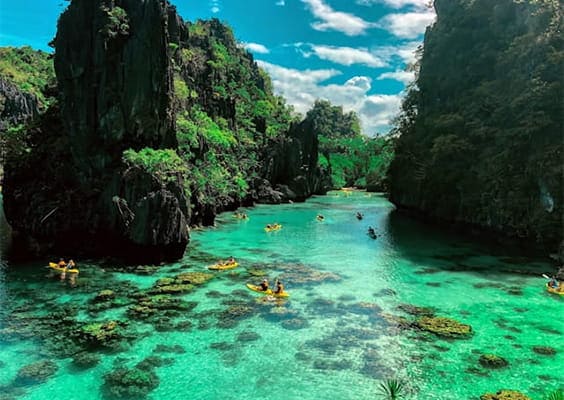
El Nido is known for organized island-hopping tours in Bacuit Bay that connect lagoons, coves, and snorkeling spots. The experience is structured around full-day boat routes rather than independent beach exploration.
- Bacuit Bay island-hopping routes linking lagoons, coves, and snorkeling stops
- Dramatic limestone cliffs ascending sharply from the sea
- A compact beach town with restaurants, bars, and easy tour booking
Best For
- First-time visitors who want the “wow” factor right away
- Scenic photography, especially lagoon and cliff shots
- Travelers who enjoy a social, lively atmosphere in the evenings
El Nido delivers maximum visual impact with minimal guesswork. It is straightforward to plan and easy to fill your days.
Pros
- The most iconic scenery in Palawan
- Wide range of island-hopping tours with fixed routes
- Accommodation options from budget hostels to upscale beachfront stays
- Plenty of restaurants and nightlife compared to other towns in the province
If you want a destination that feels active and vibrant, this is it.
Trade-offs
- It can feel busy in peak season, especially on popular tour stops
- The experience is structured around tours, not independent beach hopping
- Town beaches are not the highlight. The real beauty is offshore
If you prefer quiet, empty shorelines right outside your hotel, El Nido may feel more crowded than expected.
Ideal Trip Length and Pacing
Plan for 3 to 4 nights.
That gives you time for two full island-hopping days and one slower day for inland beaches, sunset viewpoints, or recovery after long boat trips. The pace here is active during the day and social in the evening, so it suits travelers who like energy rather than total isolation.
Drawn to dramatic limestone cliffs and iconic island hopping? See how to plan your stay the right way.
View Full Destination Breakdown
What Coron Is Famous For
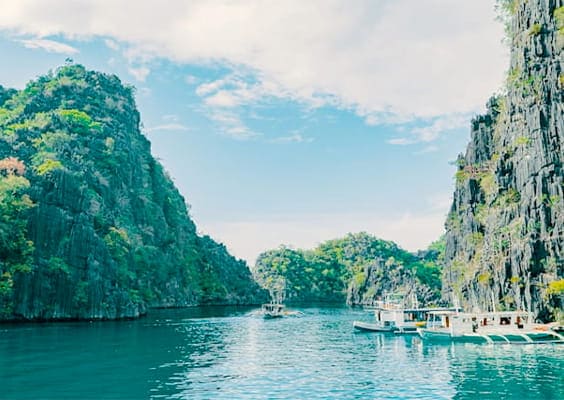
Coron is famous for accessible WWII wreck dives and inland lakes surrounded by limestone cliffs. Most activities revolve around diving, snorkeling, and boat tours departing from Coron town.
- Japanese WWII wrecks resting at diveable depths
- Clear inland lakes such as Kayangan Lake and Barracuda Lake
- Limestone islands and reef systems scattered around Busuanga Island
Best For
- Divers, from beginners taking introductory courses to advanced wreck specialists
- Adventure-focused travelers who prefer action over relaxation
- Anyone prioritizing underwater experiences over beach time
If your trip centers on what happens below the surface, Coron stands out.
Pros
- One of the most accessible wreck diving destinations in Southeast Asia
- Unique dive sites that you will not find elsewhere in Palawan
- Some areas feel less crowded compared to El Nido’s most popular lagoons
The combination of wrecks, reefs, and clear lakes creates more variety in terrain.
Trade-offs
- The town itself has limited swimmable beaches
- You rely heavily on boat transfers for most activities
- Surface scenery is dramatic, but it lacks the concentrated lagoon systems found in El Nido
If you expect soft white sand right outside your hotel, Coron may feel more functional than picturesque at ground level.
Ideal Stay Duration
Plan for 3 to 4 nights.
That allows time for at least one full wreck dive day, one reef or lake-focused tour, and some buffer for weather conditions. Diving schedules can shift with visibility and wind, so building in flexibility helps.
Planning to dive wrecks or tour the lakes? See how to organize your Coron itinerary properly.

View Full Destination Breakdown
What Makes San Vicente Stand Out
San Vicente stands out for its unusually long, undeveloped beachfront and its land-based beach experience. The emphasis here is on open space rather than boat traffic.
- Long Beach, one of the longest white sand shorelines in the Philippines
- Expansive, undeveloped beachfront with room to spread out
- Fewer tour boats and more time spent on land
Best For
- Beach-focused resort travelers who want space
- Couples seeking quieter luxury without a party scene
- Anyone prioritizing wide, sandy beaches over limestone lagoons
If your idea of a good day is swimming, sunbathing, and sunset walks, San Vicente fits naturally.
Pros
- Vast beachfront that never feels compressed
- Growing mix of boutique and mid-range resorts
- Less dependence on daily boat tours compared to El Nido or Coron
The experience is simple and routine-based: wake up, walk to the beach, repeat.
Trade-offs
- Infrastructure is still developing, especially in certain barangays
- Limited nightlife and smaller dining selection
- Fewer dramatic cliff-and-lagoon visuals
If you want constant activity or iconic karst scenery, this may feel understated.
Ideal Stay Length and Pacing
Plan for 2 to 4 nights.
San Vicente works best with a relax-first itinerary. One light island-hopping day is enough for most visitors. The rest of your time can stay unstructured, built around beach hours, slow breakfasts, and long sunsets rather than tightly scheduled tours.
Want wide, open beaches without tour boat traffic? Plan your Long Beach stay here.
View Full Destination Breakdown
What Makes It Different
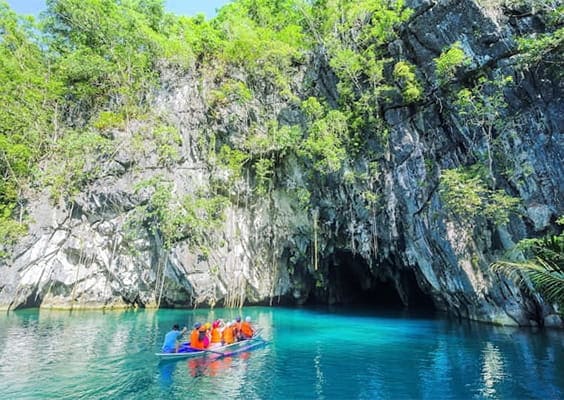
Puerto Princesa stands out for its airport access, structured day tours, and full city infrastructure. Unlike the island-focused destinations, it functions more as a convenient base than a beach escape.
- Direct flights from major Philippine hubs
- Organized day trips to the underground river in Sabang
- A functioning city with malls, restaurants, and transport options
Best For
- Short stays with limited time
- Families who want smoother logistics
- Travelers who value convenience and city comforts over remote island settings
If you prefer predictable schedules and easy transport, Puerto Princesa feels straightforward.
Pros
- Simple airport access and road connections to other destinations
- Wide range of hotels, from budget inns to mid-range city stays
- Reliable restaurants, cafes, and essential services
It works well as a base before heading north to El Nido or south to other parts of the island.
Trade-offs
- Less dramatic island scenery compared to destinations like El Nido or Coron
- Activities revolve around structured day tours rather than free exploration
- The city beach itself is not the highlight
This is not the place for limestone lagoon hopping or remote sandbars.
Ideal Stay Length
1 to 2 nights is enough for most trips.
That gives you time for the underground river tour and possibly one additional activity, such as a countryside tour or firefly watching, before moving on to more island-focused destinations.
Flying in here or basing your trip around the underground river? Get the full city guide.
View Full Destination Breakdown
What Makes Balabac Different
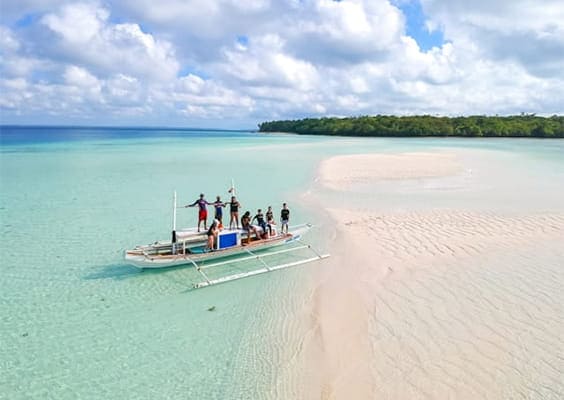
Balabac stands out for its expansive sandbanks, shallow wading waters, and minimal development. Unlike other destinations in Palawan, most trips operate as multi-day island-hopping expeditions rather than single-day tours.
- Expansive sandbanks that appear at low tide
- Ultra-clear, shallow water ideal for wading and drone photography
- Small, sparsely populated islands with minimal infrastructure
Best For
- Off-grid adventurers comfortable with rustic setups
- Repeat visitors who have already seen El Nido or Coron
- Travelers prioritizing raw scenery over comfort
If your goal is isolation and uninterrupted white sand, Balabac delivers that in a way few other places in Palawan can.
Pros
- Minimal development and very low crowd density
- “Maldives-like” sandbanks without large resorts
- Strong sense of remoteness and exclusivity
The visual payoff is high, especially in good weather.
Trade-offs
- Long, multi-step transfers involving land travel and boat rides
- Basic accommodations, often in homestays or simple beach huts
- Limited medical facilities and almost no nightlife
You need flexibility, patience, and comfort with simple living conditions.
Recommended Minimum Time Commitment
Plan for at least 3 to 4 nights, not counting travel time.
Getting there takes effort, so short stays rarely make sense. Balabac works best when you treat it as a dedicated expedition rather than a quick add-on to a broader Palawan itinerary.
Drawn to untouched sandbars and some of the clearest water in Palawan? See what it takes to plan a trip to Balabac.
Show More Palawan Destinations
View Full Destination Breakdown
What It Feels Like
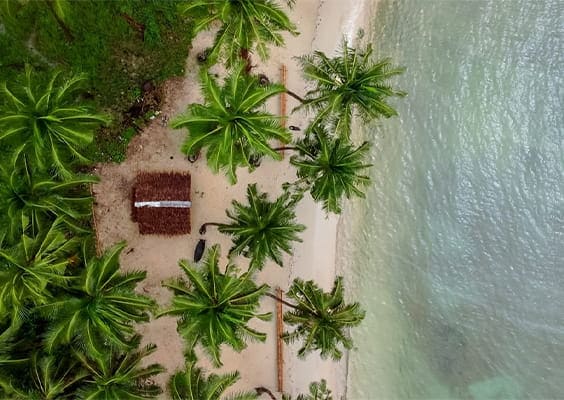
Port Barton feels small, simple, and community-centered. The atmosphere is informal, and most activities revolve around relaxed beach time rather than structured sightseeing.
- Small beachfront lined with guesthouses and local eateries
- Dirt or partially paved roads in and around town
- Island-hopping tours that are simpler and less crowded
Best For
- Couples who want quiet sunsets without resort prices
- Digital detox trips with limited distractions
- Budget-conscious travelers looking for simple beachfront stays
If your priority is peace and space rather than iconic landmarks, Port Barton fits.
Pros
- Fewer crowds on both town beaches and nearby islands
- Compact, walkable layout. You can reach most places on foot
- Affordable accommodations compared to more established destinations
It offers a more relaxed rhythm that many travelers find refreshing after a busier stop.
Trade-offs
- Road access can be rough, especially in poor weather
- Limited nightlife and almost no high-end resort scene
- Fewer restaurant choices and tour variations
If you expect polished infrastructure or upscale amenities, this may feel too basic.
Ideal Stay Length and Pacing
Plan for 2 to 3 nights.
That gives you time for one island-hopping day and at least one full beach day with nothing scheduled. The pacing works best if you leave open space in your itinerary and resist the urge to over-plan.
Considering a slower beach stop? See where to stay and how to pace your time here.
View Full Destination Breakdown
What Makes Taytay Different
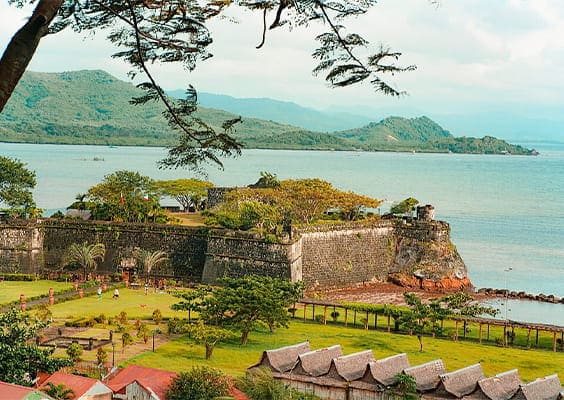
Taytay stands out for its preserved colonial fort, quiet shoreline, and low-key island hopping around Taytay Bay. The atmosphere feels more local and less tourism-driven than nearby destinations.
- A preserved colonial fort and quiet seaside town center
- Fishing boats rather than heavy tour traffic along the shoreline
- Access to uncrowded island-hopping routes around Taytay Bay
Best For
- Off-the-beaten-path explorers who prefer quieter bases
- Travelers intentionally avoiding El Nido crowds
- Multi-stop North Palawan itineraries combining El Nido, Taytay, or nearby beach areas
It works well as a contrast stop after a busier destination.
Pros
- Minimal tourism pressure compared to major hubs
- Authentic small-town feel with local markets and everyday routines
- Island hopping routes that see far fewer boats
You get space, both on land and on the water.
Trade-offs
- Limited nightlife and very few upscale accommodation options
- Fewer organized tour operators, so planning may require more coordination
- Dining choices are simpler and more locally focused
If you expect polished infrastructure or a buzzing restaurant scene, Taytay may feel understated.
Ideal Stay Length and Exploration Style
Plan for 2 to 3 nights.
Taytay works best if you move at an unhurried pace. Spend one day exploring the fort and town, another on a quiet island-hopping trip, and leave room for spontaneous stops rather than packing every hour with activities.
Curious about quiet forts and uncrowded islands? See how to build a low-key North Palawan stay.
View Full Destination Breakdown
What Makes Quezon Different
Quezon stands out for its protected ecosystems and conservation-driven tourism model. Experiences are structured, guided, and often education-focused rather than purely recreational.
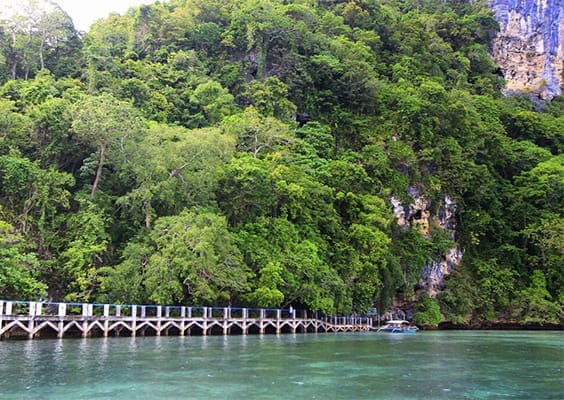
- Extensive mangrove forests and quiet river systems
- Community-managed marine sanctuaries and reefs
- Waterfalls and forested inland landscapes
Best For
- Eco-tourism and nature-focused travelers
- Kayaking through mangrove channels and calm coastal waters
- Wildlife and birdwatching enthusiasts
If you prioritize biodiversity and conservation, Quezon offers a deeper environmental focus than a typical beach stop.
Pros
- Low visitor volume compared to northern Palawan
- Rich biodiversity across mangroves, coral reefs, caves, and forests
- Strong presence of community-based tourism initiatives
Experiences often involve local guides who explain ecosystem protection and cultural context.
Trade-offs
- Remote access that requires long land transfers from Puerto Princesa
- Limited accommodation variety, mostly small inns and homestays
- Minimal nightlife or resort-style amenities
This is not a luxury or party destination.
Ideal Stay Length and Pacing
Plan for 2 to 3 nights focused on guided eco-activities.
Days are best structured around mangrove kayaking, marine sanctuary visits, cave exploration, and short treks. Quezon rewards curiosity and patience more than a resort-first itinerary.
Interested in mangroves, marine sanctuaries, and eco-focused trips? See how to plan your visit.
View Full Destination Breakdown
What Makes Cuyo Different
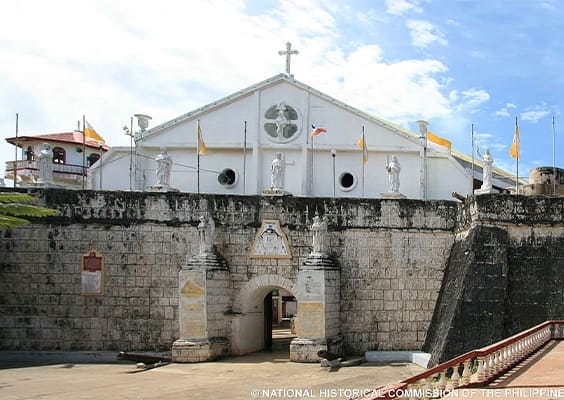
Cuyo stands out for its preserved colonial heritage, distinct regional culture, and strong seasonal winds that attract kite-surfers. The daily rhythm follows local routines more than visitor demand.
- A preserved colonial-era church and fortress overlooking the sea
- A distinct Cuyonon culture that predates mass tourism in northern Palawan
- Wide, open beaches that become kite-surfing playgrounds during wind season
Best For
- Cultural explorers interested in heritage and regional identity
- Kite-surf enthusiasts chasing steady seasonal winds
- Travelers who want a truly local island atmosphere with minimal outside influence
If you want something outside the usual Palawan circuit, Cuyo stands apart.
Pros
- Strong and visible Cuyonon heritage
- Open beaches with reliable winds during amihan season
- Very low tourist density year-round
Visitors get space, authenticity, and minimal commercial pressure.
Trade-offs
- Limited flight and boat access, with schedules that can change
- Fewer luxury amenities and a small accommodation inventory
- Minimal nightlife and organized tour infrastructure
Getting here requires more coordination than visiting El Nido or Coron.
Ideal Timing
For kite-surfing, visit during the amihan months, typically November to March, when northeast winds are strongest and most consistent.
During calmer months, the sea is gentler and better suited for relaxed beach time and cultural exploration, but wind-based activities are limited.
Chasing wind season or heritage town charm? Get the full guide to visiting this remote island.

View Full Destination Breakdown
What Makes Culion Significant
Culion stands out for its preserved public health history and the emotional weight of its former leprosy colony. The experience centers on context, resilience, and memory rather than scenery alone.
- Former national leprosy colony with preserved hospital buildings and records
- Spanish-era church and quiet coastal town layout
- Strong historical narrative tied to medicine, stigma, and resilience
Best For
- History-focused travelers interested in lesser-known Philippine stories
- Slow-travel enthusiasts who prefer quiet exploration
- Visitors extending a Coron trip with something more cultural
It pairs naturally with Coron for travelers seeking depth beyond diving and island hopping.
Pros
- A deeply layered historical narrative that is rare in beach destinations
- Peaceful coastal setting with very little commercial noise
- Minimal tourism development, which keeps the atmosphere calm
The experience feels intimate, quiet, and grounded.
Trade-offs
- Few entertainment options beyond cultural and light coastal exploration
- Requires boat coordination from Coron
- Limited dining and accommodation choices
This is not a nightlife or activity-heavy destination.
Ideal Stay Length and Pacing
Plan for 1 to 2 nights as a short extension from Coron.
If you are intentionally planning a slow, history-oriented stay, 2 to 3 nights allows time for the museum, town walks, and unhurried coastal downtime without rushing back to busier hubs.
Extending your Coron trip for something more reflective? Learn how to plan a meaningful stay.
How to Choose the Best Place Based on Your Travel Priorities
Choosing the best place in Palawan depends on your time, interests, and preferred pace of travel. Start by identifying your main priority—scenery, diving, relaxation, culture, or convenience—then narrow your base accordingly.
If It’s Your First Time in Palawan
Start with a destination that offers a balanced mix of scenery, accessibility, and organized tours.
El Nido is often the easiest first choice, with dramatic limestone cliffs, structured island-hopping routes, and a compact town layout. Planning is straightforward, and the visuals are iconic.
If you prefer something slightly less tour-centric but still accessible, Coron works well, especially if lakes and diving appeal to you.
If You Have 3–4 Days Only
Pick one base and stay put. With limited time, avoid combining destinations that require long van or boat transfers. Travel days in Palawan can easily take half a day or more.
Best single-base options:
- El Nido for lagoon-focused island hopping
- Coron for wreck diving and lake tours
- Puerto Princesa for the underground river and easy logistics
Short trips work best when you minimize movement and maximize full activity days.
If You Want the Most Dramatic Scenery
Decide what kind of drama you mean.
For towering limestone cliffs and enclosed lagoons, El Nido delivers the most striking surface landscapes.
For wide, blindingly white sandbars and shallow turquoise water, Balabac offers a more open, surreal setting.
If your focus is underwater beauty, Coron stands out with WWII wrecks and reef systems. The spectacle happens below the surface rather than on the beach.
Decide whether you prefer cinematic cliffs, expansive sandbars, or immersive underwater wrecks—and choose your base accordingly.
If You Prefer Fewer Crowds
Look beyond the headline destinations or travel during shoulder season.
Naturally lower-volume locations include:
- Port Barton
- Taytay
- Quezon in southeastern Palawan
- Culion near Coron
These areas see fewer tour boats and less nightlife activity. They also benefit from shoulder-season travel, when visitor numbers drop but weather can still be favorable.
Quieter places often mean simpler infrastructure, so comfort expectations should match the setting.
If You’re Focused on Diving
Coron is the clear leader for wreck diving. Japanese WWII ships sit at varying depths, making the area suitable for both beginners and advanced divers.
While reef diving is available in several parts of Palawan, the wrecks are what make Coron globally distinctive.
If diving is your main priority, choose your base around site access rather than beach quality.
Sample Destination Pairings (If You Have 7–10 Days)
With 7 to 10 days, combining two destinations adds contrast without turning your trip into a transport marathon. The key is balancing scenery with realistic transfer times. In most cases, two bases work best.
El Nido + Coron
This is the classic Palawan highlights combination.
Start in El Nido for limestone lagoons and high-impact island hopping, then move to Coron for wreck diving and clear inland lakes.
Why it works:
- Strong contrast between surface lagoons and underwater wrecks
- Both have direct flight access
- 3 to 4 nights in each feels balanced
Travel realism: ferry transfers between El Nido and Coron take several hours and are weather-dependent. Flights are faster but limited. Plan a buffer day if your return flight is tight.
El Nido + Port Barton
This pairing creates a clear shift in pace.
El Nido gives you dramatic, tour-heavy days. Port Barton slows everything down with quieter beaches and fewer boats.
Why it works:
- Different pacing without extreme transfers
- Both located on mainland Palawan
- Easy contrast between social buzz and slow beach time
Travel realism: the van ride between El Nido and Port Barton typically takes around 3 to 4 hours. Roads can be rough in sections, so factor that into your schedule.
Coron + Balabac
This pairing suits experienced travelers comfortable with complex logistics.
Coron covers wreck diving and lake tours. Balabac adds remote sandbars and expedition-style island hopping.
Why it works:
- High visual payoff in two very different forms
- Appeals to travelers comfortable with logistics and long transfers
Travel realism: this combination requires flights plus long land and boat transfers. It is best suited for those with 9 to 10 days and flexibility. It is not a casual add-on.
Why 3 or More Bases Often Reduces Experience Quality
On paper, adding a third stop seems efficient.
In practice, every move costs you:
- Packing and checkout time
- Van or boat transfers that eat half a day
- Weather-related uncertainty
In Palawan, travel days are rarely quick. Trying to squeeze El Nido, Coron, and another remote area into 7 to 10 days often means more transit than immersion.
Two well-chosen bases usually feel richer than three rushed ones.
Choose contrast, but respect the clock.
Summary Matrix: The Best Place in Palawan for Every Type of Traveler
If you want the fastest way to decide, match your top priority to the strongest-fit destination below. This summary removes nuance and highlights the clearest alignment for each travel style.
Best For First-Timers
El Nido – Iconic limestone cliffs, structured island hopping, and straightforward planning make it the most balanced introduction to Palawan.
Best For Diving
Coron – WWII wrecks at varying depths plus reef sites create the strongest underwater portfolio in the province.
Best For Seclusion
Balabac – Remote sandbars, minimal development, and expedition-style trips define the experience.
Best For Convenience
Puerto Princesa – Direct flights, simple transfers, and established city infrastructure reduce logistical friction.
Best For Slow Travel
Port Barton – A walkable beach town, low crowd density, and unstructured beach days encourage a relaxed pace.
Best For Dramatic Landscapes
El Nido for towering limestone cliffs
Balabac for vast white sandbanks
Best For Short Trips
El Nido or Coron – Both work well as single-base stays for 3 to 4 days without requiring multi-destination transfers.
Frequently Asked Questions About Visiting Palawan
Start with your non-negotiable priority. Once that is clear, the right place in Palawan usually becomes obvious.